
The Forbidden City: Hidden Route
Outline
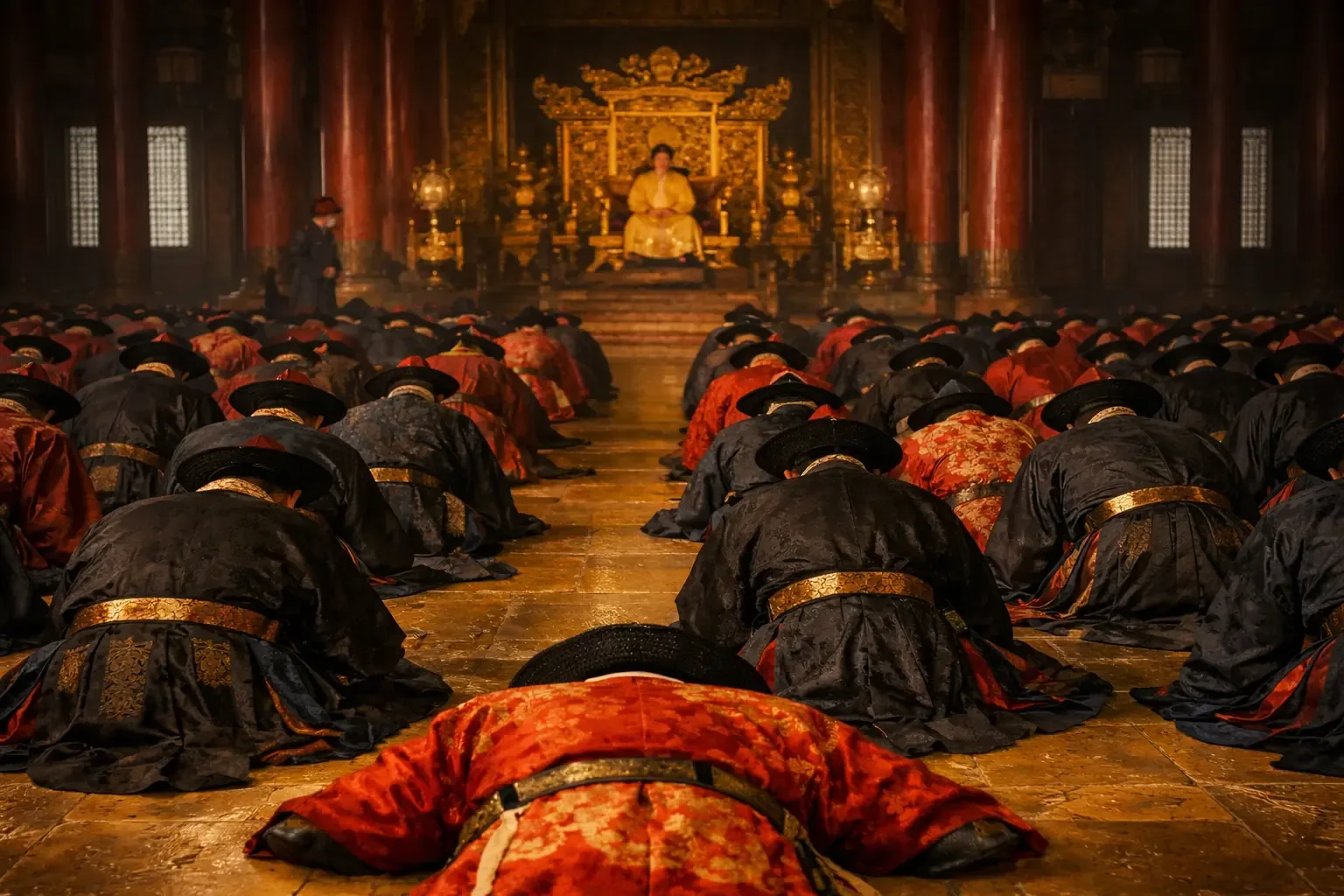
This project is an interactive treasure-hunt experience designed for the Forbidden City. It focuses on how visitors can explore history in a more active, personal, and immersive way.
Instead of only walking through crowded spaces or listening to fast tour explanations, users can enter a free-roam experience where they discover clues, collect objects, solve simple puzzles, and unlock hidden story routes across different palace spaces.
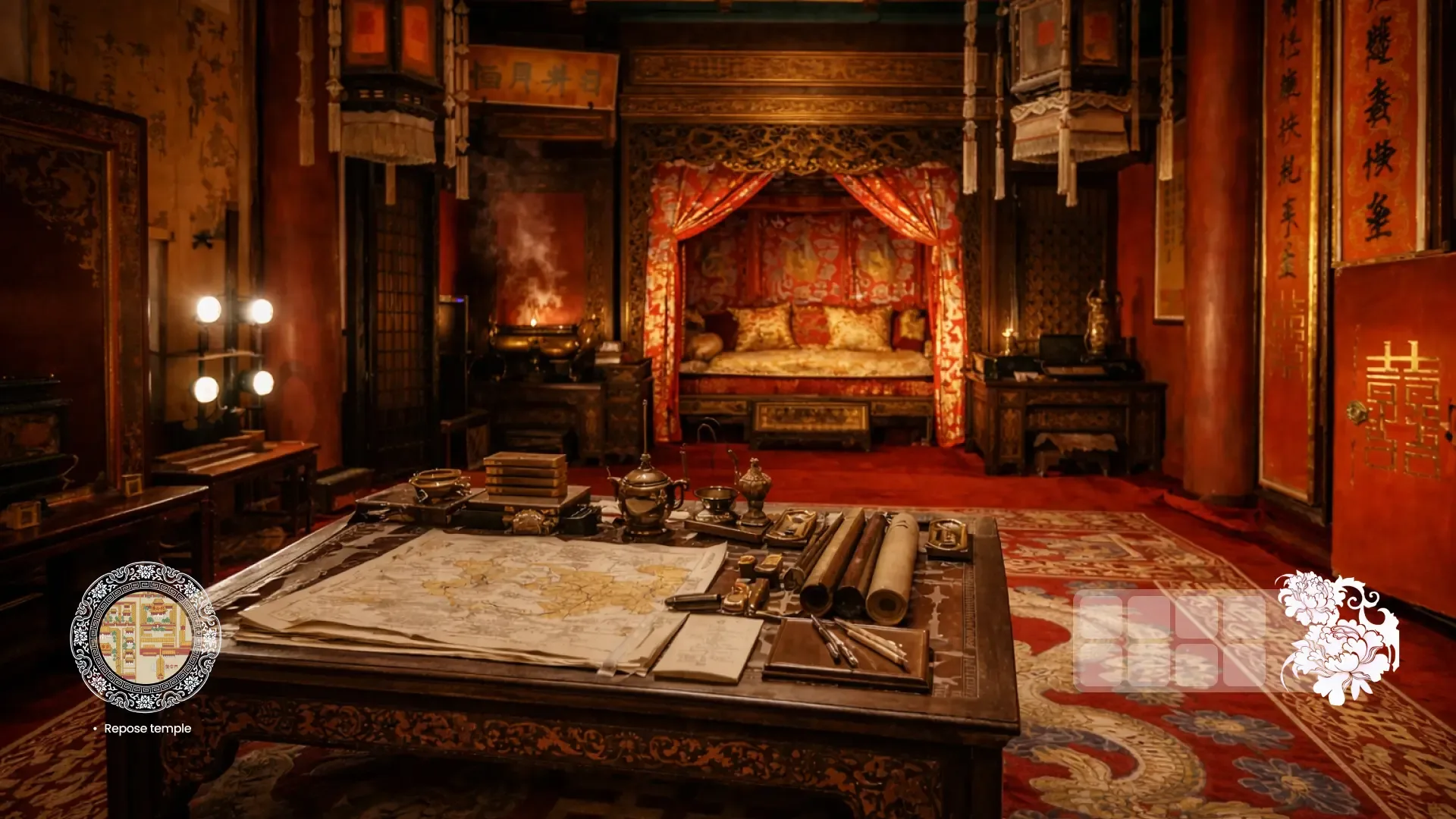
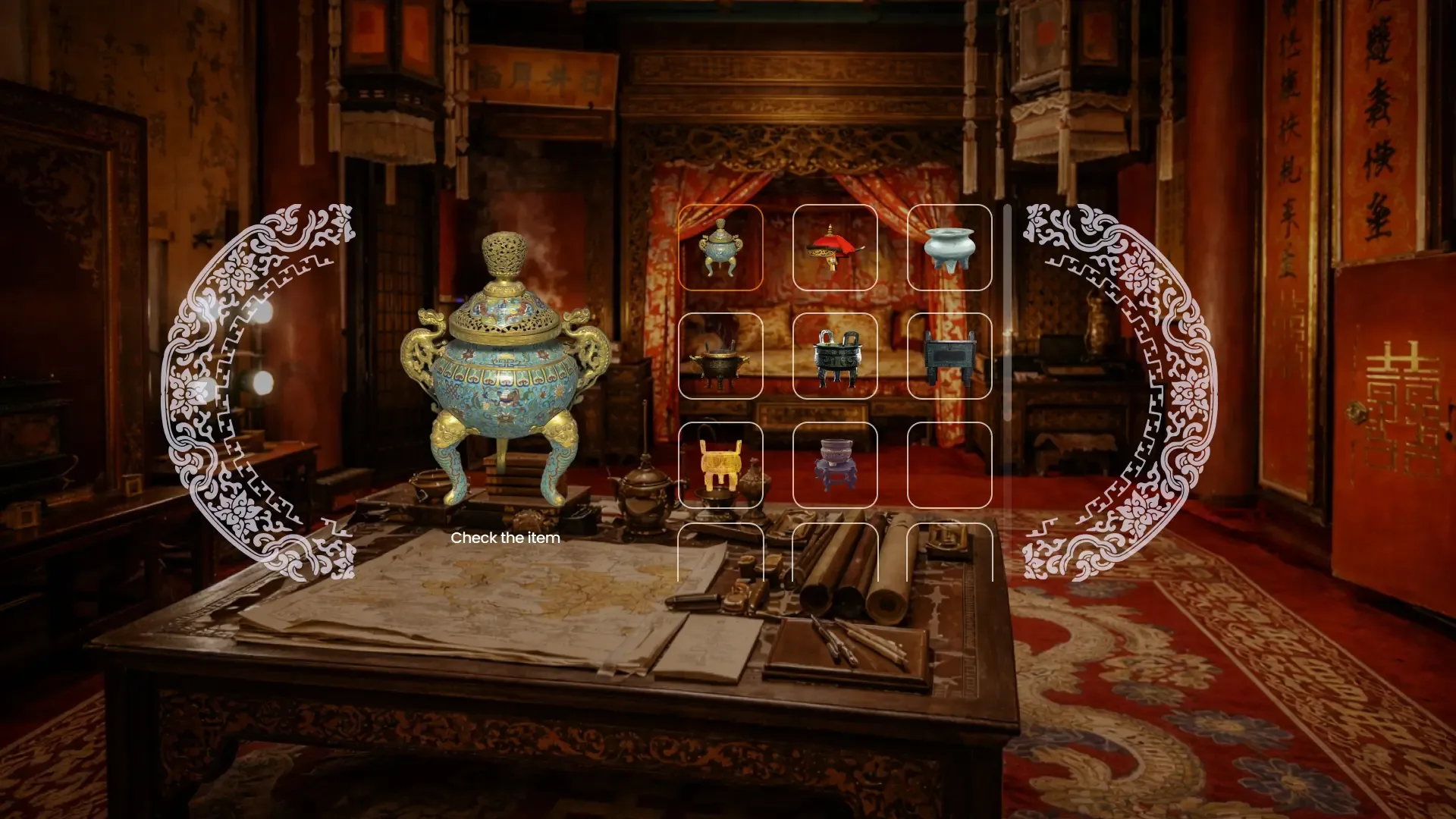
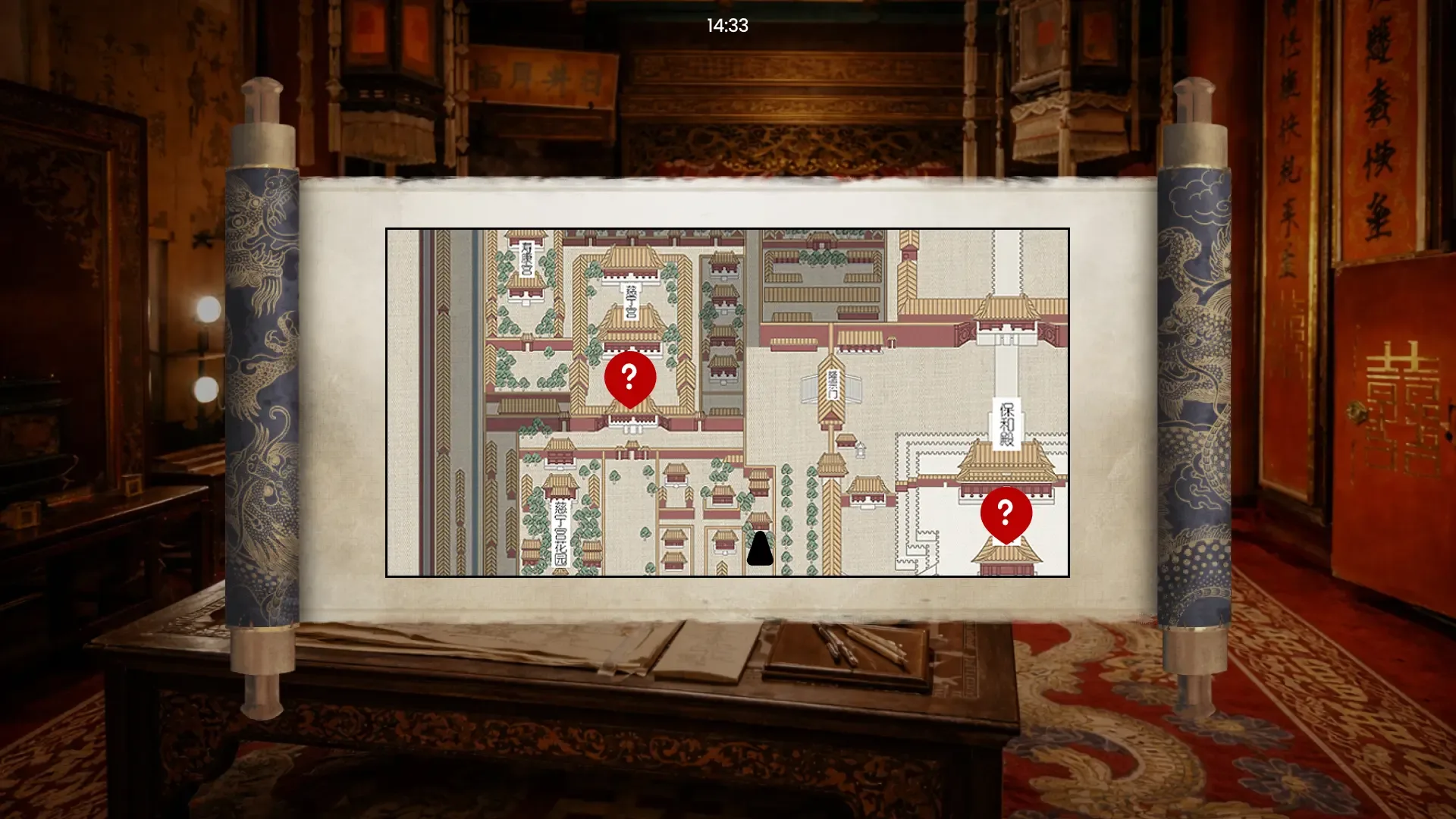
The project includes a map system, backpack interface, collectible cultural objects, palace clues, and story-based progression. The full map is open from the beginning, but interactive points are gradually unlocked as the user moves through the experience. This gives visitors freedom while still guiding them through a clear historical narrative.
The goal is to make the Forbidden City feel less like a distant historical site and more like a living story that visitors can personally enter, explore, and remember.
Meet the Creative

Jiashun Zhao
I am a multidisciplinary designer based in New York, with a primary focus on UI/UX, interaction design, and product design. Originally from China, I am currently pursuing a BFA in Design at the School of Visual Arts. Through my academic and creative journey, I have developed a strong interest in how digital systems, visual communication, and interactive experiences can shape the way people understand, connect, and make decisions.
My work often begins with research and observation, then moves into information architecture, interface design, prototyping, and visual storytelling. I am especially interested in turning complex user needs into clear, intuitive, and emotionally meaningful experiences. Across my projects, I explore topics such as emotional connection, accessibility, mobility, urban life, and the relationship between people and emerging technologies.
My practice spans UI/UX design, branding, graphic design, motion systems, and interactive prototyping. I often work with tools such as Figma, TouchDesigner, Adobe Creative Suite, and basic 3D workflows to transform research insights into tangible design outcomes. By combining critical thinking with hands-on experimentation, I aim to create thoughtful digital experiences that bridge people, technology, and everyday life.
Story
The Forbidden City is one of the most important cultural landmarks in China, but for many visitors, the experience can feel rushed and crowded. People often move from one palace to another without enough time to understand the stories behind each space. The architecture is powerful, but the historical meaning can feel distant.
This project began with a question: how can I help visitors build a stronger connection with the Forbidden City through interaction and storytelling?
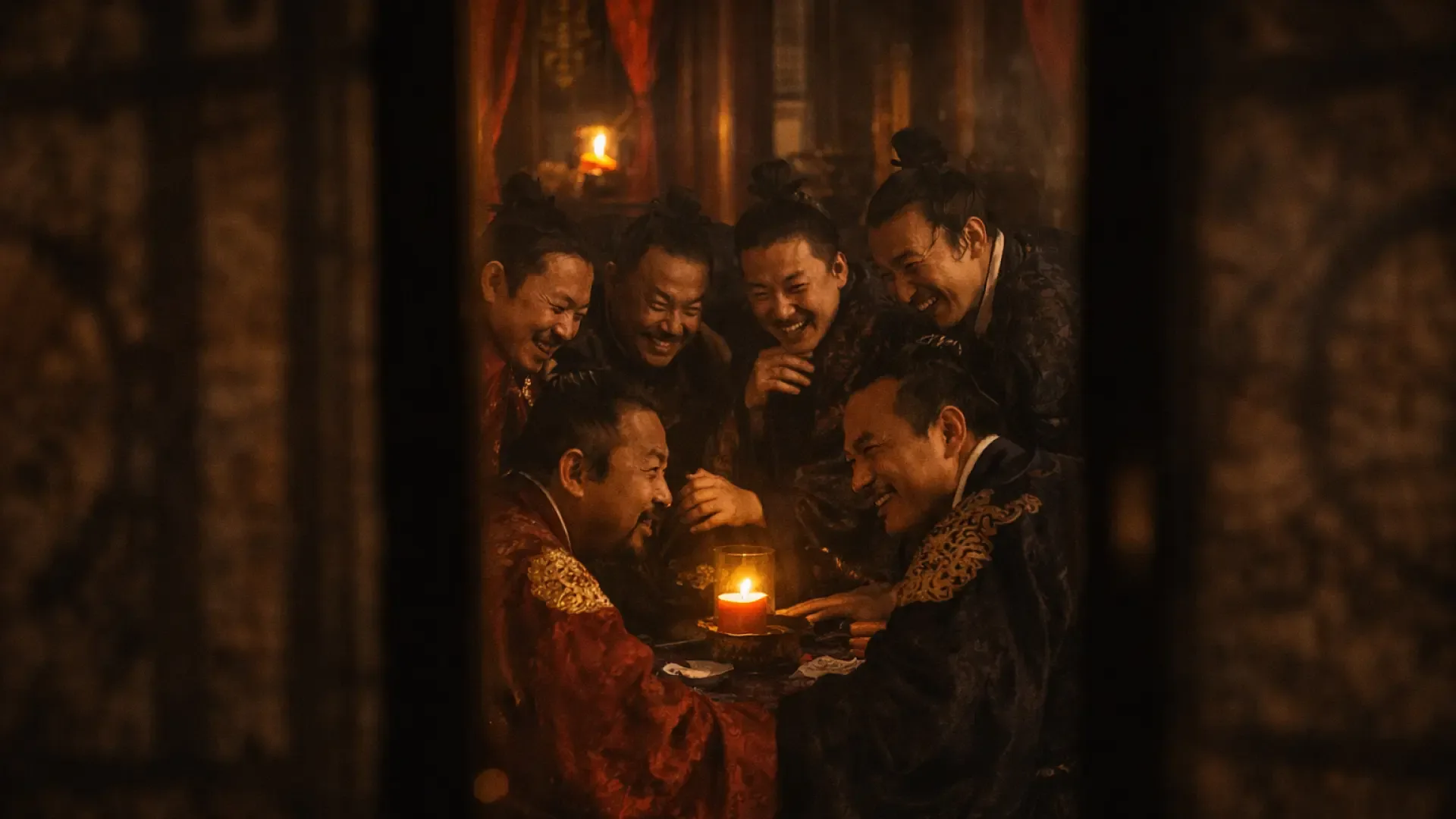
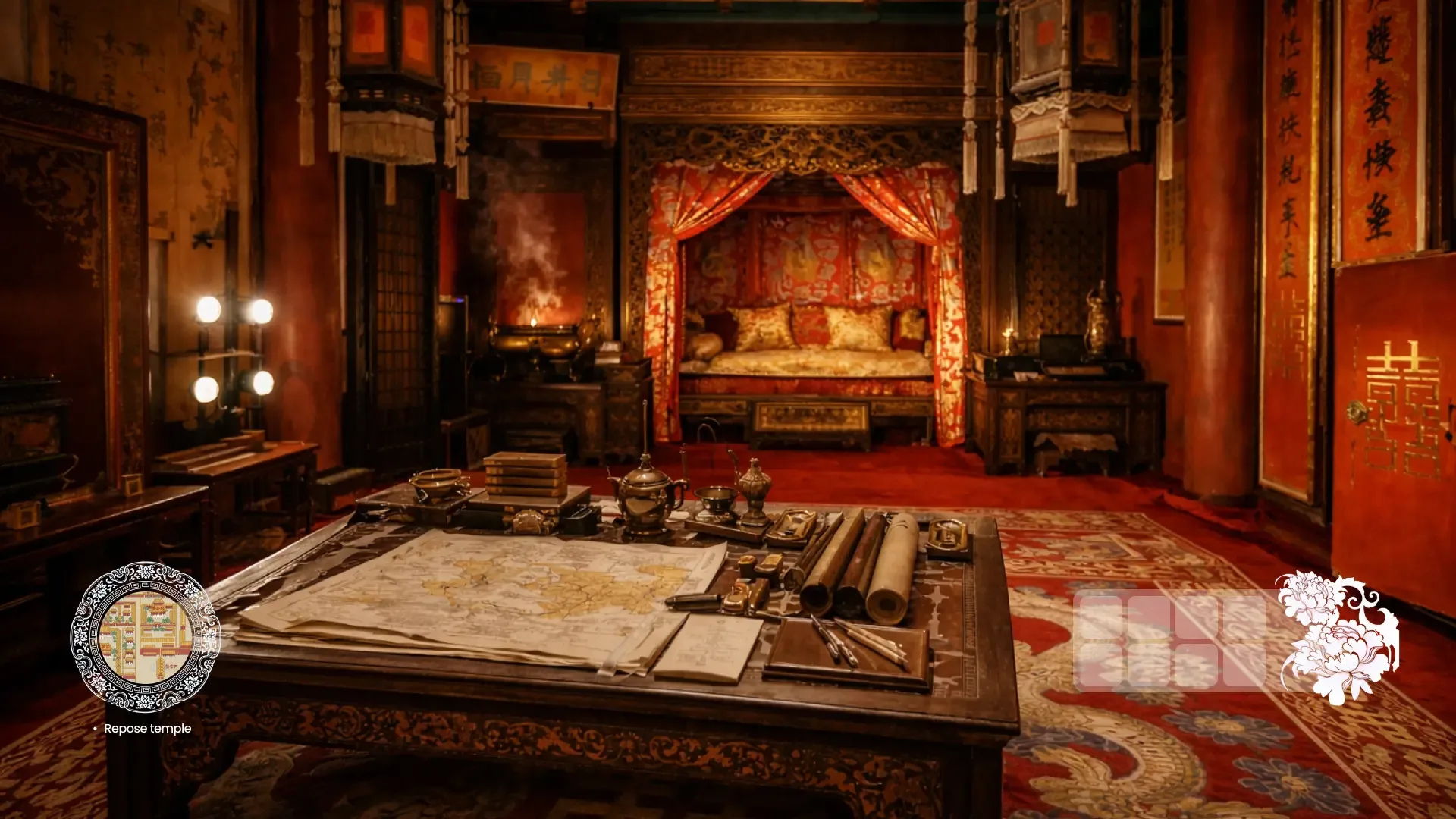
I designed a treasure-hunt experience where visitors can explore the site through clues, objects, and small puzzles. The user can move freely across the map, but certain interactive points appear as the story develops. By finding objects in different palace spaces, users slowly unlock hidden routes and discover a connected historical narrative.
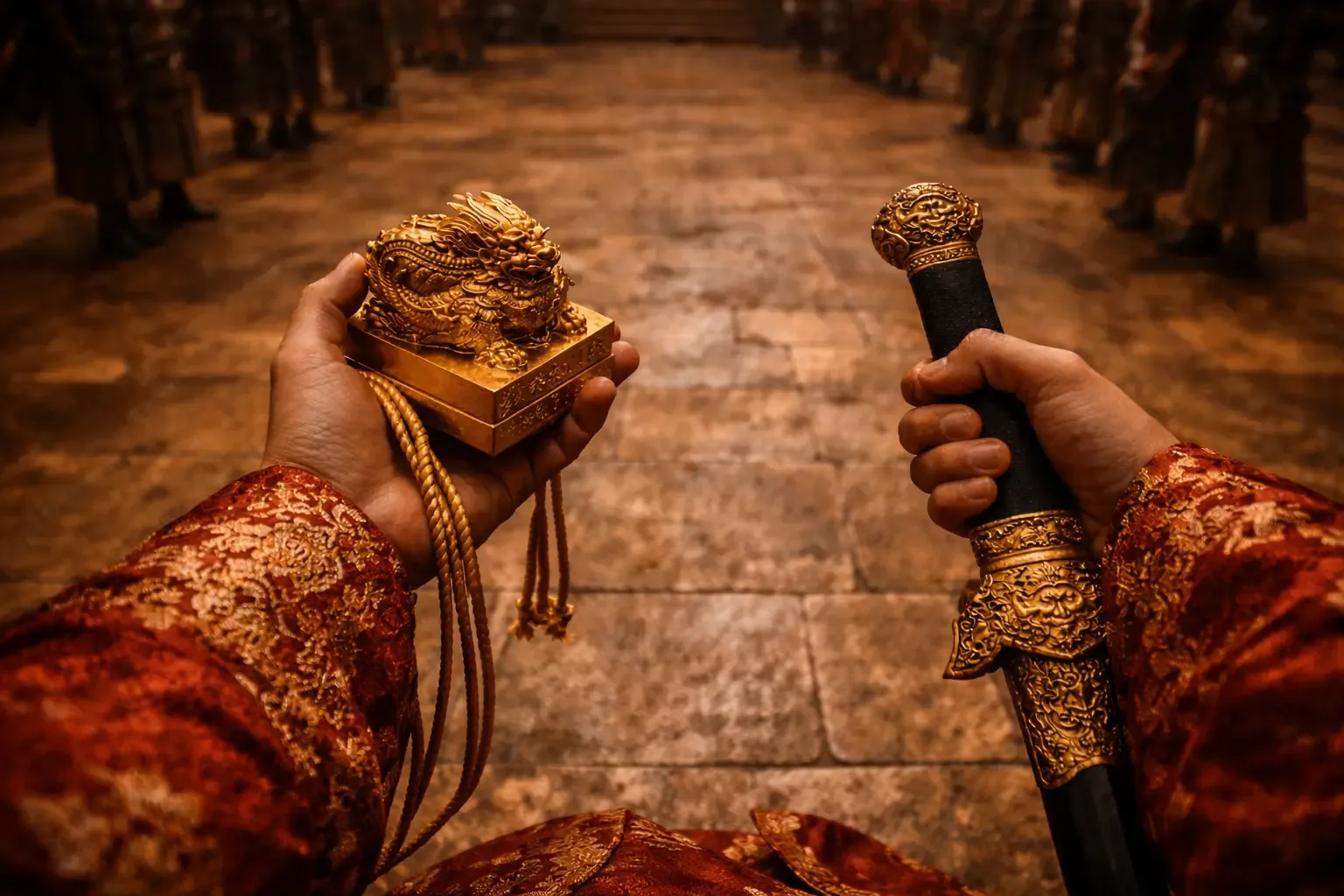
The experience is inspired by mystery games and museum exploration. A backpack system allows users to keep important objects, while the map helps them understand where to go next. Each object is not only a collectible, but also a piece of historical evidence that pushes the story forward.
The project turns a museum visit into a personal journey. Instead of passively receiving information, visitors actively search, observe, and make connections. My goal is to make history easier to enter, easier to understand, and more memorable through immersive interaction.
What We Did
Media